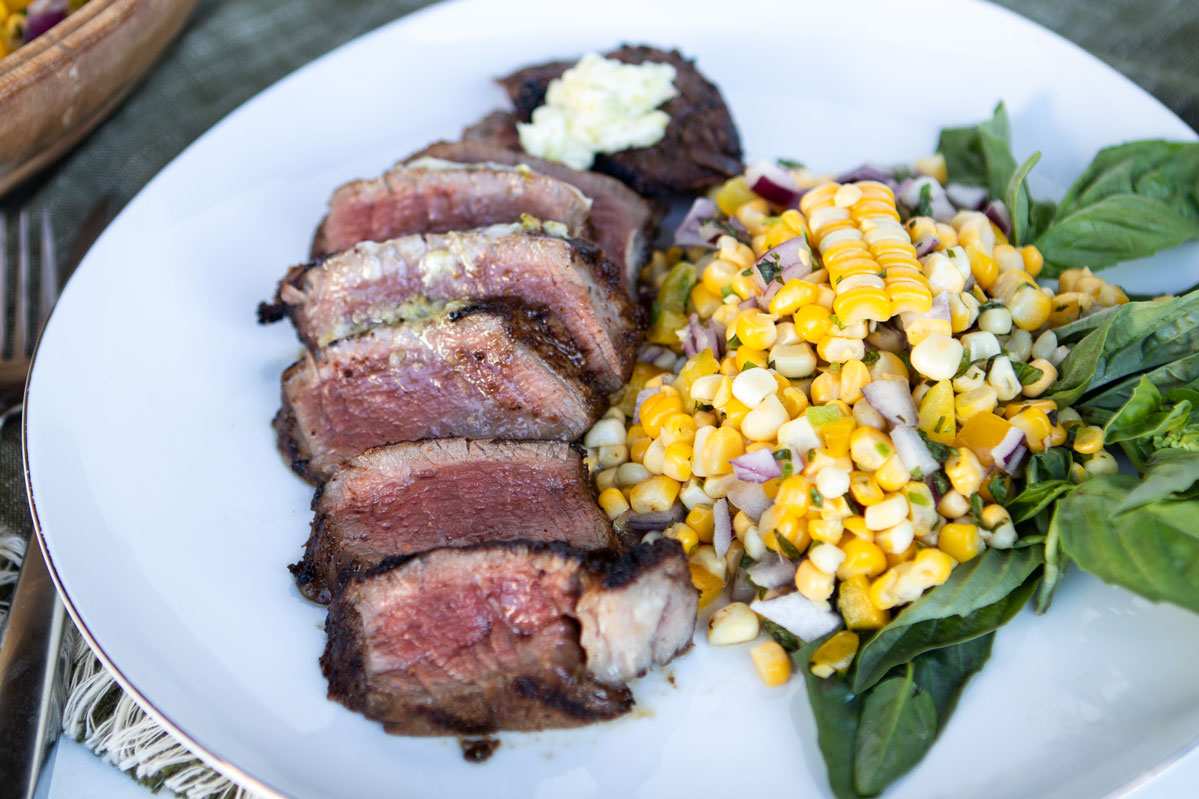
Imagine a perfectly seared, tender, and incredibly juicy steak, infused with the rich, aromatic flavors of garlic and herbs. This isn't just a fantasy reserved for high-end steakhouses; it's an achievable reality right in your own kitchen or backyard. Whether you're a seasoned grill master or new to cooking steaks, mastering the art of perfect garlic butter steaks will elevate your culinary game and impress everyone at your table. From the sizzle of the grill to the decadent finish, this guide will walk you through everything you need to know to create an unforgettable meal, suitable for a special occasion or just a remarkably delicious weeknight dinner.
While grilling steak is often the preferred method for achieving that coveted smoky char, we’ll also explore effective stovetop techniques, ensuring that even apartment dwellers or those without access to an outdoor grill can enjoy restaurant-quality results. The secret lies in a masterful blend of a savory-sweet dry rub, meticulous cooking, and, of course, the irresistible garlic and herb butter that transforms a great steak into an extraordinary one.
The Secret to Irresistible Flavor: Dry Rub & Garlic Butter
The foundation of an outstanding garlic butter steak lies in two core components: a thoughtfully crafted dry rub and a rich, herbaceous garlic butter. These elements work in harmony to build layers of flavor that penetrate every bite.
Crafting the Ultimate Dry Rub
A good dry rub doesn't just add flavor; it contributes to a beautiful crust and helps tenderize the meat. For these garlic butter steaks, a unique blend provides the perfect balance:
- Brown Sugar: Adds a touch of sweetness that caramelizes beautifully during searing, enhancing browning.
- Granulated Garlic: Provides a concentrated garlic punch that permeates the meat.
- Smoked Paprika: Imparts a subtle smoky depth and a vibrant color.
- Dried Basil: Introduces an aromatic, slightly sweet, and peppery note.
- Salt & Pepper: The indispensable seasoning duo, essential for drawing out the steak's natural flavors.
- Dry Mustard: Offers a tangy, pungent kick that cuts through the richness and brightens the overall profile.
Before applying the rub, always pat your steaks thoroughly dry with paper towels. This crucial step removes surface moisture, which is key for achieving a superior sear. A light drizzle of olive oil before rubbing helps the spices adhere better and promotes even browning. Rub the mixture generously onto all sides of your steak, ensuring every inch is coated for maximum flavor.
Elevating with Garlic Herb Butter
The garlic and herb butter is the grand finale, taking your already delicious steak to an entirely new level. As it melts over the hot, rested steak, its rich flavors meld with the savory juices, creating an incredibly decadent experience. While the reference context suggests a simple garlic butter, you can further enhance it by incorporating fresh herbs like:
- Fresh Parsley: Bright and herbaceous.
- Chives: Mild oniony flavor.
- Rosemary or Thyme: Earthy and aromatic (use sparingly as they are potent).
Preparing this butter in advance allows the flavors to meld beautifully. Simply combine softened unsalted butter with minced garlic and your chosen fresh herbs, then roll it into a log with parchment paper and chill until needed. A generous tablespoon placed on each steak immediately after it comes off the heat will melt into a luscious sauce, ensuring every slice is bathed in buttery, garlicky goodness. For a comprehensive guide to mastering this recipe, check out our article on Easy Grilled Garlic Butter Ribeye Steaks: A Must-Try Recipe.
Mastering the Cook: Grilling, Stovetop & Doneness
Regardless of your chosen cooking method, precision and attention to detail are paramount to achieving that perfect steakhouse quality at home.
Grilling Steak to Perfection
Grilling steak offers a unique combination of smoky flavor and an unbeatable crust. Here's how to do it right:
- Room Temperature: Always allow your steaks to come to room temperature for at least 30-60 minutes before cooking. This promotes more even cooking throughout the steak.
- Grill Setup: Prepare your grill for two-zone cooking – one area of direct, high heat and another of indirect, lower heat. Aim for an initial grill temperature of around 300°F (150°C). For an authentic smoky flavor, consider adding hickory or oak wood chips to your coals or smoker box.
- Searing: Place the seasoned steaks directly over the high heat. Sear for 2 minutes per side. This high heat initiates the Maillard reaction, creating that beautiful brown crust and locking in juices.
- Finishing: Move the seared steaks to the indirect heat zone. Continue cooking for 5-7 minutes, flipping once, or until they reach your desired internal temperature (more on doneness below). Adjust cooking time based on steak thickness.
- Resting is Key: Once cooked, remove the steaks from the grill and immediately top each with about 1 tablespoon of your prepared garlic butter. This is where the magic happens! Allow the steaks to rest for a full 10 minutes before slicing. Resting allows the muscle fibers to relax and redistribute the juices throughout the meat, resulting in an incredibly tender and juicy steak. Skipping this step means all those precious juices will run out onto your cutting board.
Stovetop & Indoor Grill Alternatives
No outdoor grill? No problem! You can still achieve fantastic results using indoor methods:
- Cast Iron Skillet: A cast iron skillet is your best friend for a stovetop sear. Heat the skillet over high heat until smoking, then add a high-smoke-point oil (like avocado or grapeseed). Sear the steak for 2-3 minutes per side until a deep crust forms. For thicker steaks, you can finish them in a preheated oven (around 375°F/190°C) until they reach the desired internal temperature.
- Indoor Grill (e.g., George Foreman): While these grills offer convenience, they might not achieve the same intense sear as cast iron or an outdoor grill. Adjust cooking times according to your appliance's instructions, and always use a digital thermometer for accuracy.
No matter the method, a digital meat thermometer is your most reliable tool for achieving perfect doneness.
Achieving Your Ideal Doneness
Knowing your preferred steak doneness and the corresponding internal temperatures is crucial. Remember that steaks will continue to cook slightly after removal from the heat (this is called carryover cooking), so it's wise to pull them about 5°F (3°C) below your target temperature.
- Rare: 125°F (51°C) – A bright red, cool center. Very tender and juicy, cooked quickly.
- Medium Rare: 135°F (57°C) – The most popular choice for ribeye. A warm pink center with a hint of red, tender and incredibly juicy.
- Medium: 145°F (63°C) – A warm pink center, slightly firmer, with some juiciness.
- Medium Well: 155°F (68°C) – Mostly gray throughout with only a faint trace of pink in the center. Firmer and less juicy.
- Well Done: 160°F (71°C) or above – Completely gray throughout, firm, and significantly less juicy.
Advanced Techniques for Next-Level Steaks
For those looking to push the boundaries of steak perfection, a few advanced techniques can yield even more remarkable results.
The Art of Starting Frozen
While counter-intuitively sounding, grilling steak directly from a frozen state is a technique gaining popularity among chefs and home cooks alike. This method, developed for superior results, offers several distinct advantages:
- Superior Sear & Crust: The sub-zero temperature of the frozen steak allows it to stay on high heat longer without overcooking the interior, leading to a thicker, more flavorful crust.
- Reduced Moisture Loss: The frozen core acts as a thermal buffer, minimizing moisture evaporation during cooking.
- More Even Doneness: By the time the center thaws and cooks, the exterior has developed a deep, beautiful sear, resulting in a perfectly cooked steak from edge to center, with less of a gray band.
This technique requires slightly different timings and a very hot grill or skillet, but the results speak for themselves. To dive deeper into this fascinating method and unlock the full potential of your frozen cuts, explore our detailed guide: Grill Steaks From Frozen: Unlock Superior Sear & Juiciness.
Choosing Your Steak Cut
While ribeye steaks are highlighted in the reference for their excellent marbling and rich flavor, other cuts also shine with the garlic butter treatment. Consider:
- New York Strip: A lean cut with a satisfying chew and robust beefy flavor.
- Sirloin: More economical, versatile, and great for slicing.
- Flat Iron: Known for its tenderness and rich flavor, often comparable to more expensive cuts.
Regardless of the cut, aim for steaks that are at least 1 to 1.5 inches thick. Thicker steaks are more forgiving and easier to cook to your desired doneness without drying out the exterior.
Creating perfect garlic butter steaks, whether on the grill or stovetop, is a rewarding culinary endeavor. By understanding the synergy of a well-balanced dry rub, the richness of garlic herb butter, and precise cooking techniques, you can consistently achieve restaurant-quality results at home. Remember to prioritize bringing your steak to room temperature, ensuring a good sear, and always allowing it to rest. With these tips and a trusty meat thermometer, you're now equipped to transform simple cuts of beef into an irresistible masterpiece. So fire up that grill or heat that skillet, and prepare to indulge in the incredible flavors of your homemade perfect garlic butter steaks.
