Grill Steaks From Frozen: Unlock Superior Sear & Juiciness
Forget everything you thought you knew about preparing steak for the grill. For generations, the conventional wisdom has been to meticulously thaw your steaks before subjecting them to the high heat of the barbecue. But what if we told you that skipping the thaw, and instead, grilling steak directly from a frozen state, could actually be the secret to achieving an unparalleled sear, incredible juiciness, and perfectly even doneness from edge to edge? It sounds counterintuitive, perhaps even a little rebellious, but this technique is a game-changer for anyone serious about elevating their
grilling steak game. Get ready to transform your understanding of what's possible when you fire up the grill.
Why Grill Steaks From Frozen? Debunking the Thaw
The traditional thawing method often leads to a common grilling dilemma: a grey band of overcooked meat just beneath the surface, while the center struggles to reach the desired doneness. This is because the surface of a thawed steak cooks much faster than its interior. Grilling from frozen, however, leverages fascinating thermal dynamics to produce consistently superior results.
Let's dive into the science-backed benefits that make this method a must-try for any aspiring grill master:
*
Superior Sear and Crust Development: This is arguably the most compelling reason. When a frozen steak hits the hot grates, its sub-zero temperature provides a crucial thermal buffer. The exterior can be exposed to high, direct heat for a longer period – often double the time compared to a thawed steak – without overcooking the interior. This extended exposure allows the Maillard reaction to work its magic more effectively, leading to a rich, deeply browned, and incredibly flavorful crust. The surface dehydrates and caramelizes beautifully, creating that restaurant-quality char and texture that is notoriously difficult to achieve with thawed meat.
*
Enhanced Juiciness & Reduced Moisture Loss: While the exterior sizzles, the frozen core melts slowly. This gradual process minimizes the rapid expulsion of moisture that often occurs with thawed steaks, which tend to lose more internal juices when exposed to intense heat. The frozen core essentially "pushes" moisture towards the center as it cooks, keeping the steak incredibly juicy and tender throughout.
*
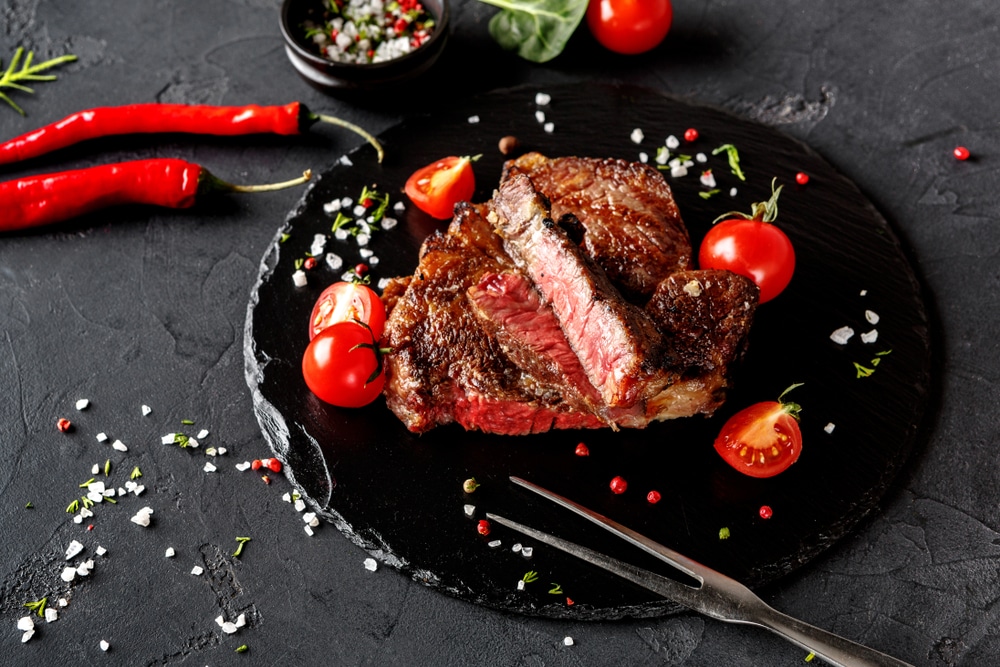
Perfectly Even Doneness (Edge-to-Edge Pink): Bid farewell to the dreaded grey band! The thermal buffer provided by the frozen core ensures that the interior of the steak cooks much more uniformly. The heat penetrates slowly and steadily, resulting in a beautiful, consistent pink or red hue from one edge to the other, even when aiming for a perfect medium-rare. This is where the frozen method truly shines, delivering a consistency that is challenging to replicate with thawed steaks.
The Essential Setup for Grilling Frozen Steaks
Success with grilling steaks from frozen begins before the meat even touches the grates. Thoughtful preparation and the right equipment are paramount.
*
Choosing Your Steak: While this technique works wonders for various cuts, thicker steaks (ideally 1.5 to 2 inches) yield the best results. A robust cut like a ribeye steak is an excellent candidate, offering ample marbling for flavor and thickness for a successful frozen cook. The extra thickness allows more room for the internal temperature to rise gradually, preventing overcooking.
*
Grill Preparation: A two-zone grilling setup is non-negotiable for this method. You'll need an extremely hot direct heat zone for the initial sear and a cooler, indirect heat zone for the slower, controlled finish.
*
Direct Heat: Aim for a very high temperature, around 450-500°F (230-260°C). This intense heat is crucial for developing that initial, powerful sear and crust.
*
Indirect Heat: A more moderate temperature, around 300-350°F (150-175°C), will allow the steak to cook through gently without burning the exterior.
*
Fuel Choice: For added depth of flavor, consider incorporating wood chips like hickory or oak, as mentioned in our inspiration, to impart a beautiful smoky essence to your grilled steak.
*
Seasoning Strategy for Frozen Steaks: Seasoning a frozen steak might seem tricky, but it's simpler than you think.
*
Pat Dry: Even frozen steaks can have a thin layer of ice crystals or moisture. Patting them thoroughly dry with paper towels is critical for achieving a good sear.
*
Olive Oil: A light drizzle of olive oil helps the seasoning adhere to the frozen surface and promotes even browning.
*
Dry Rub: A well-balanced dry rub is key. Our reference suggests a delightful blend of brown sugar, granulated garlic, smoked paprika, basil, salt, pepper, and dry mustard. This combination offers a perfect balance of sweet, savory, and smoky notes that will penetrate the steak as it thaws and cooks. Apply the rub generously to all sides of the steak, pressing it gently to ensure it sticks.
Step-by-Step Guide: Grilling Steaks Straight From the Freezer
Ready to revolutionize your
grilling steak technique? Follow these steps for an unforgettable meal.
1.
Prepare Your Steaks: Remove your chosen steaks from the freezer. Pat them thoroughly dry with paper towels to remove any surface ice or moisture. Drizzle lightly with olive oil, then apply your dry rub generously to all sides. Don't worry if it feels a little stiff; the oil helps it stick.
2.
Initial Sear (Direct Heat): Place the seasoned, frozen steaks directly over the hottest part of your grill. Sear for approximately 3-4 minutes per side. The goal here is to achieve a deep, dark crust. You'll notice the surface sizzling vigorously.
3.
The Cook (Indirect Heat): Once both sides have a beautiful sear, move the steaks to the cooler, indirect heat zone of your grill. Close the lid to allow the ambient heat to cook the interior. This is where a reliable digital meat thermometer becomes your best friend. Insert the thermometer into the thickest part of the steak, avoiding any bones.
4.
Monitor Doneness: Continue cooking over indirect heat, turning occasionally, until the steaks reach your desired internal temperature. Here’s a quick guide:
*
Rare: 125°F (51°C) – Bright red, very tender.
*
Medium Rare: 135°F (57°C) – Pink center with a hint of red, tender and juicy (often considered ideal for ribeye).
*
Medium: 145°F (63°C) – Pink center, slightly firmer, still juicy.
*
Medium Well: 155°F (68°C) – Mostly grey with a hint of pink, firmer, less juicy.
*
Well Done: 160°F (71°C) or above – Completely grey, firm.
Keep in mind that the steak's temperature will rise a few degrees during resting, so pull it off the grill when it's about 5°F below your target.
5.
The Finish and Rest: Once the steaks reach their target temperature, remove them from the grill. For an extra layer of indulgence, top each steak with about 1 tablespoon of homemade garlic and herb butter (a fantastic complement to the dry rub). This butter will melt into the hot steak, adding richness and aromatic flavor. Tent the steaks loosely with foil and let them rest for at least 10 minutes. This crucial step allows the juices to redistribute throughout the meat, ensuring every bite is succulent and flavorful. Slice against the grain and serve immediately.
Mastering the Art: Tips for Success
*
Always Use a Digital Thermometer: This cannot be stressed enough. Judging doneness by sight or touch is unreliable, especially with frozen steaks. A good thermometer guarantees consistent results.
*
Don't Overcrowd the Grill: Give your steaks space. Overcrowding lowers the grill temperature and hinders proper searing and cooking.
*
Freeze Individual Steaks Flat: For best results, freeze individual steaks flat and separated. This prevents them from sticking together and ensures even exposure to heat.
*
Experiment with Smoke: Different woods (hickory, oak, cherry, apple) impart unique smoke flavors. Find your favorite to customize your
grilled steak experience.
*
Don't Skip the Rest! Resting is not optional; it’s fundamental to a juicy steak. Skipping it means losing precious juices onto your cutting board.
*
Consider a Compound Butter: Building on the garlic butter idea from our inspiration, compound butters infused with herbs, spices, or even blue cheese can add an incredible finishing touch that melts into the warm steak.
Conclusion
Grilling steak from frozen might initially challenge your culinary instincts, but the results speak for themselves. This innovative approach unlocks a superior sear, incredible juiciness, and a consistently even cook that traditional methods struggle to achieve. By understanding the science behind the technique and following these practical steps, you can confidently transform a frozen slab of meat into a restaurant-quality masterpiece. So, the next time you're craving a perfectly
grilled steak, reach for the freezer, fire up your grill, and prepare to be amazed by the delicious potential you’ve unlocked.